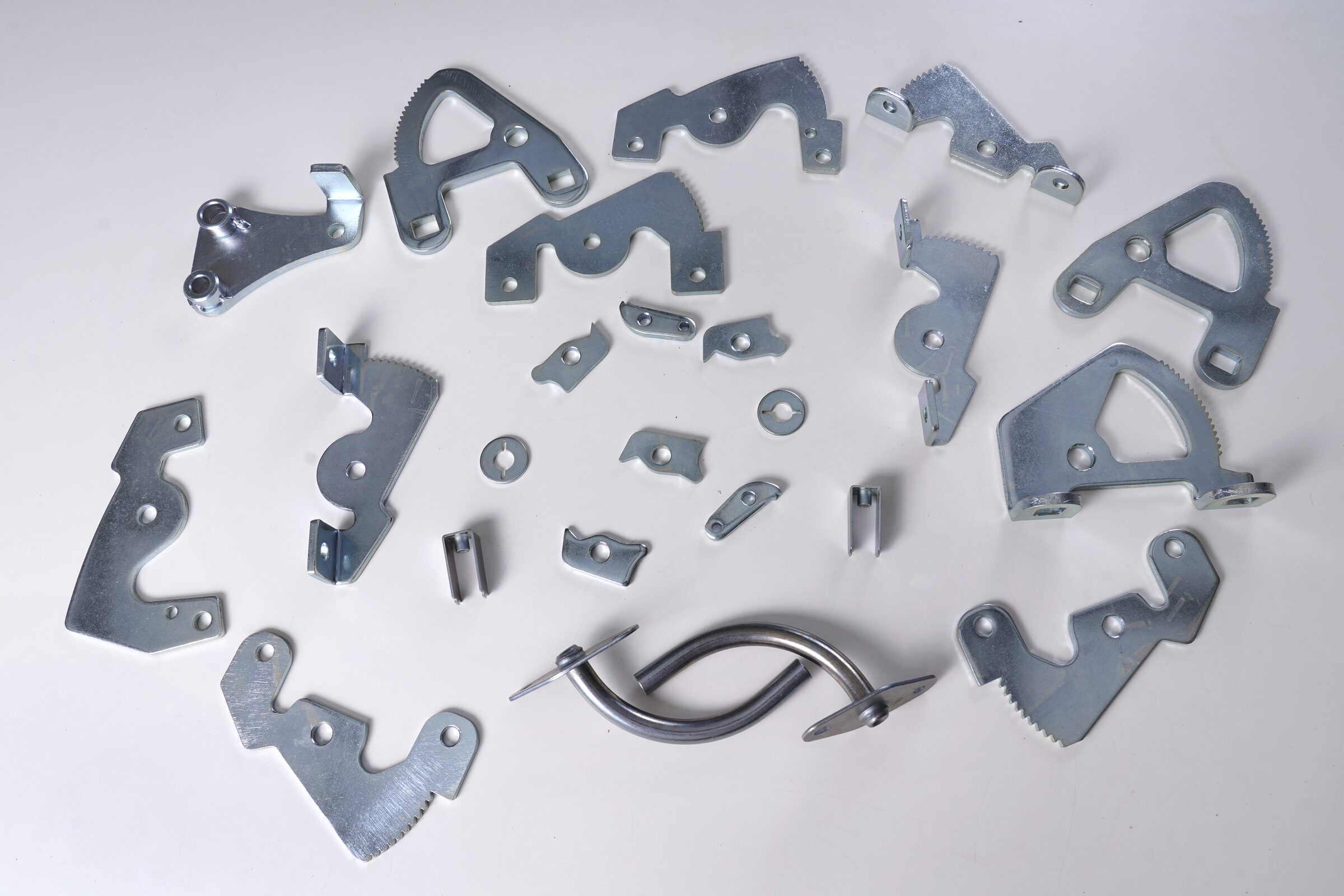
Superior corrosion protection through alkaline zinc chemistry
Zinc alkaline electroplating uses an alkaline bath chemistry to deposit zinc onto steel and other substrates. The alkaline process delivers exceptional throwing power, providing uniform coverage on complex geometries — critical for automotive components where consistent corrosion protection is non-negotiable.
At Technocrats India, our zinc alkaline plating achieves up to 180-300 hours of red rust resistance in Neutral Salt Spray Testing (NSST). Components are tested post-plating with heat ageing and physical stress (crimping) to verify they meet OEM specifications for both ICE and EV platforms.
Key benefitsExceptional throwing power
Alkaline chemistry provides uniform zinc distribution on complex geometries, recesses, and threaded profiles.
Up to 300 hrs NSST
Red rust resistance verified through rigorous Neutral Salt Spray Testing per OEM and industry standards.
VAT and barrel processing
Rack (VAT) for precision and large parts; barrel for high-volume smaller components — both available.
Post-plate verification
Every batch verified by XRF coating thickness measurement. Heat ageing and crimping tests confirm OEM compliance.
It is a surface finishing process where zinc is deposited from an alkaline electrolyte bath onto metal substrates to provide sacrificial corrosion protection. The zinc corrodes preferentially, protecting the underlying steel.
We process both simple and complex geometries. VAT (rack) plating is used for precision parts, large components, and those with tight tolerances. Barrel plating is used for high-volume smaller parts such as fasteners and clips.
Every batch undergoes non-destructive XRF coating thickness measurement and NSST salt spray testing. Where OEM specifications require it, we also perform post-plate heat ageing and physical stress (crimping) verification.