Preserving mechanical integrity through the entire plating process
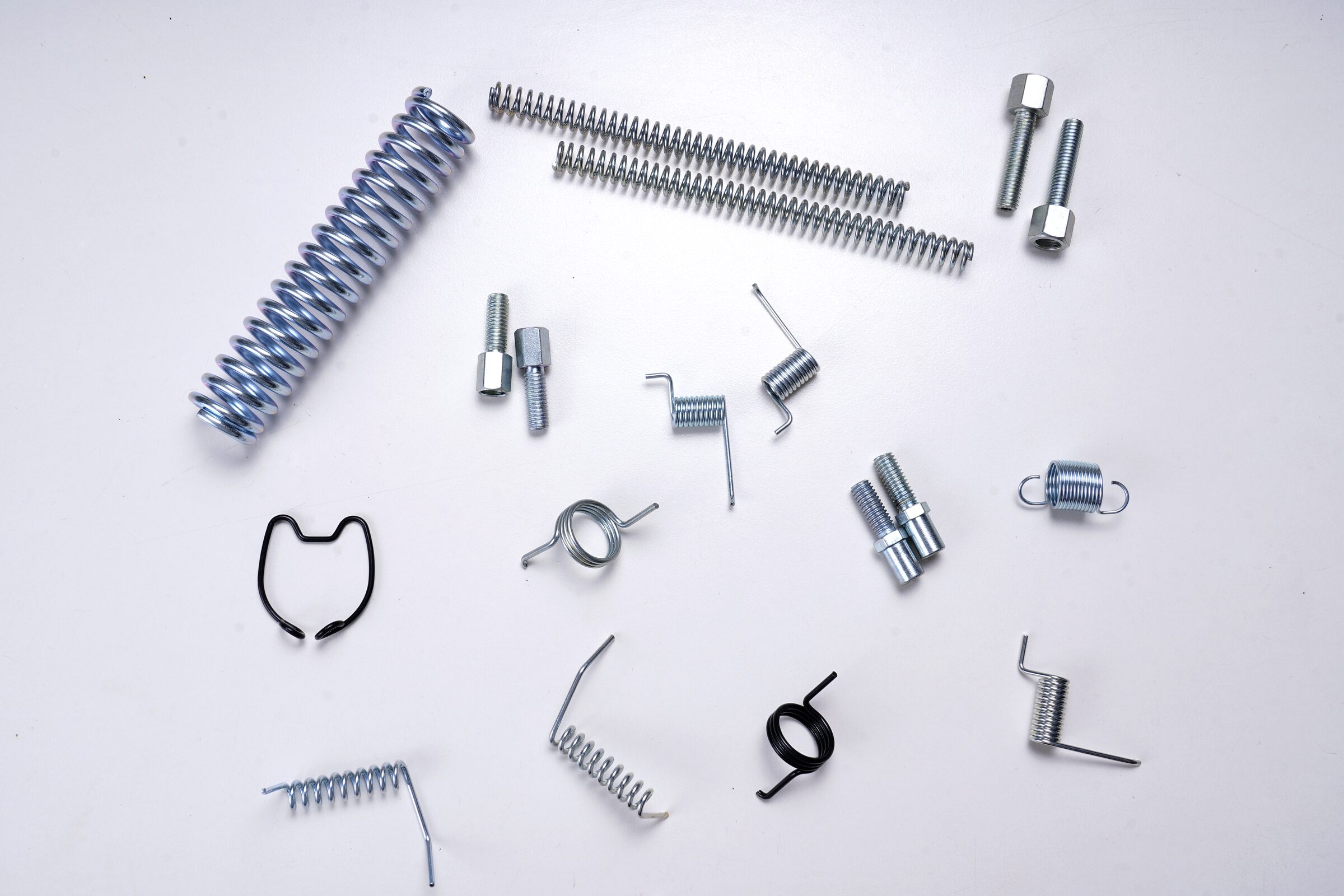
Hydrogen embrittlement is a metallurgical phenomenon where hydrogen absorbed during electroplating penetrates the crystal lattice of high-strength steel, reducing its ductility and potentially causing catastrophic delayed fracture under load. High-strength fasteners and springs — particularly those above 1000 MPa tensile strength — are critically vulnerable. This is a primary concern for automotive and aerospace supply chains.
Our process controls are designed to minimise hydrogen absorption during plating. Where required, we perform post-plate baking (hydrogen embrittlement relief) at controlled temperatures and durations per ASTM B849 and equivalent OEM specifications. Components are then mechanically tested to verify structural integrity is fully preserved.
Key benefitsControlled H₂ absorption
Optimised plating parameters minimise hydrogen generation at the cathode, reducing absorption risk at source.
Post-plate baking
Baking per ASTM B849 within 4 hours of plating drives out absorbed hydrogen before it causes delayed fracture.
Mechanical verification
Torque and tensile testing after baking confirms mechanical integrity is preserved to OEM specification.
High-strength steel expertise
Experience plating steels above 1000 MPa and hardness above 39 HRC — the most embrittlement-sensitive substrates.
During electroplating, hydrogen ions generated at the cathode can be absorbed into the steel substrate. In high-strength steels, this hydrogen diffuses to grain boundaries and reduces ductility — causing delayed fracture under tensile stress, sometimes hours or days after plating.
High-strength steels above 1000 MPa tensile strength or 39 HRC hardness are most vulnerable — fasteners (bolts, studs, nuts), springs, retaining clips, and structural components. Safety-critical automotive fasteners are the primary concern.
We apply controlled plating conditions to minimise hydrogen generation, followed by post-plate baking within four hours of plating completion. Baking temperature and duration follow ASTM B849 and customer-specific OEM specifications. Mechanical testing is performed post-bake to confirm conformance.