Uniform, autocatalytic nickel deposition for precision electrical and electronics components
Electroless nickel plating is an autocatalytic process — no external electrical current is used. Instead, nickel is deposited from solution through a controlled chemical reduction reaction, producing a nickel-phosphorus alloy coating of exceptional uniformity. Because deposition is driven by chemistry rather than current density, coating thickness is consistent across all surfaces, including deep recesses, blind holes, and complex internal geometries where electrolytic processes cannot reach.
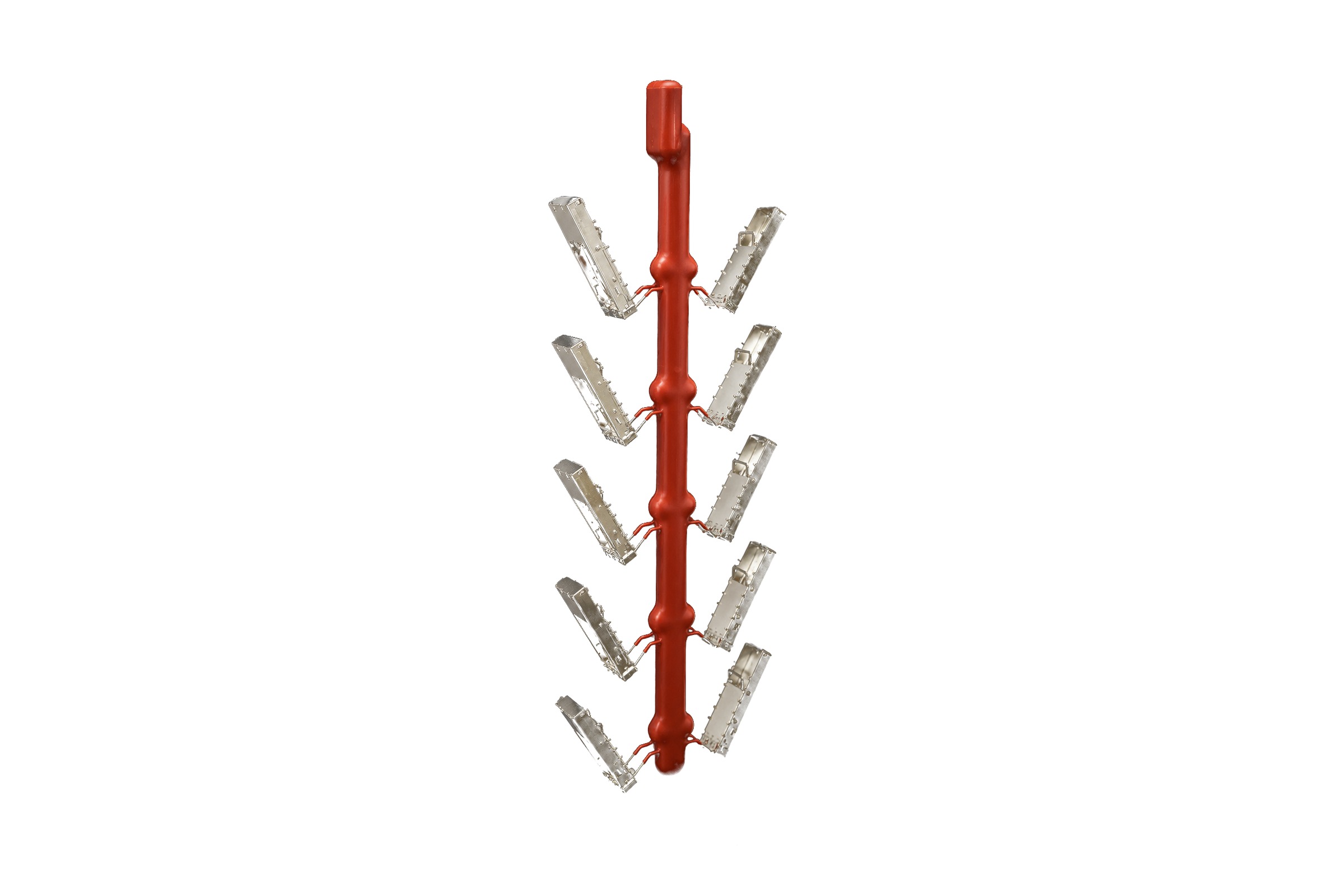
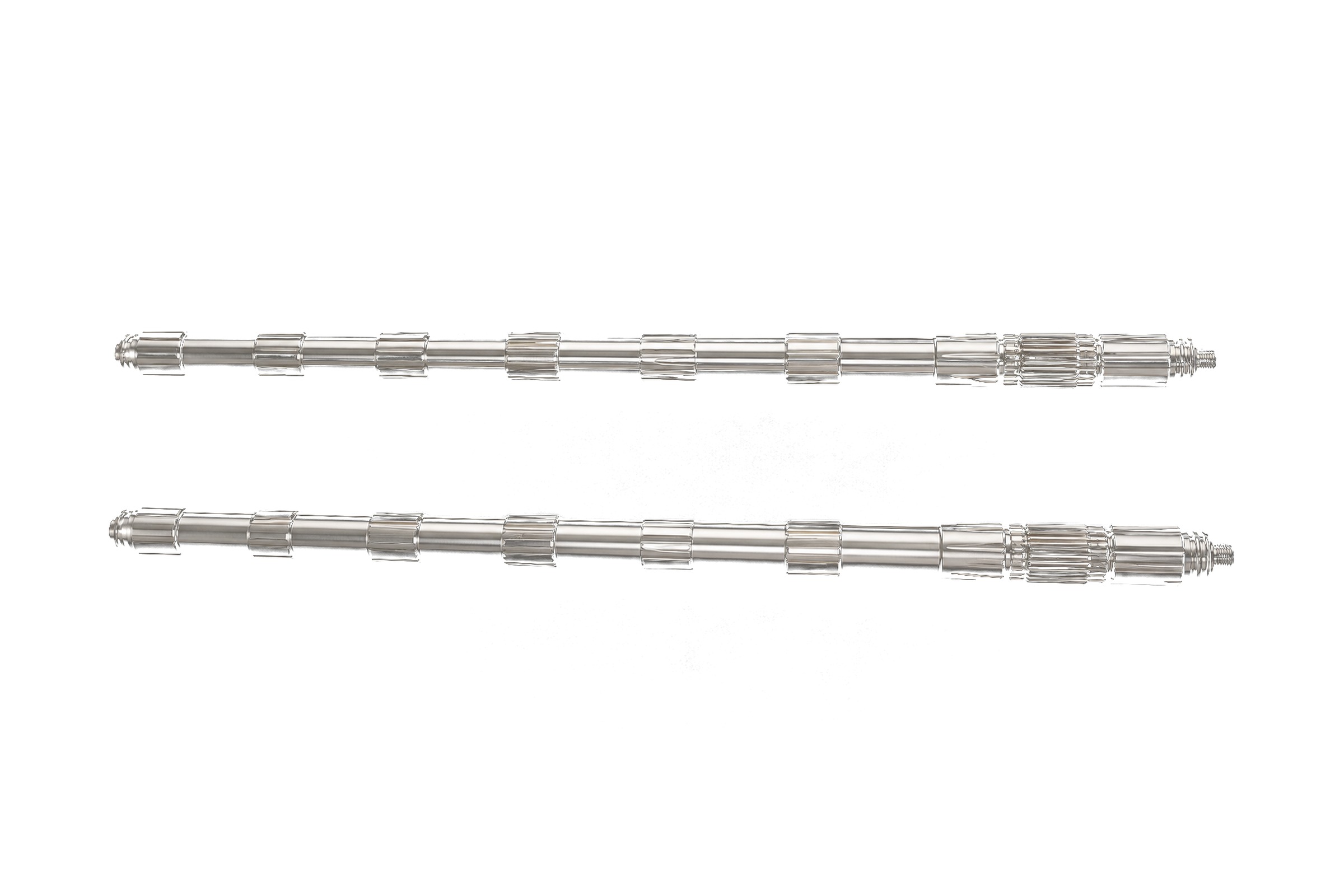
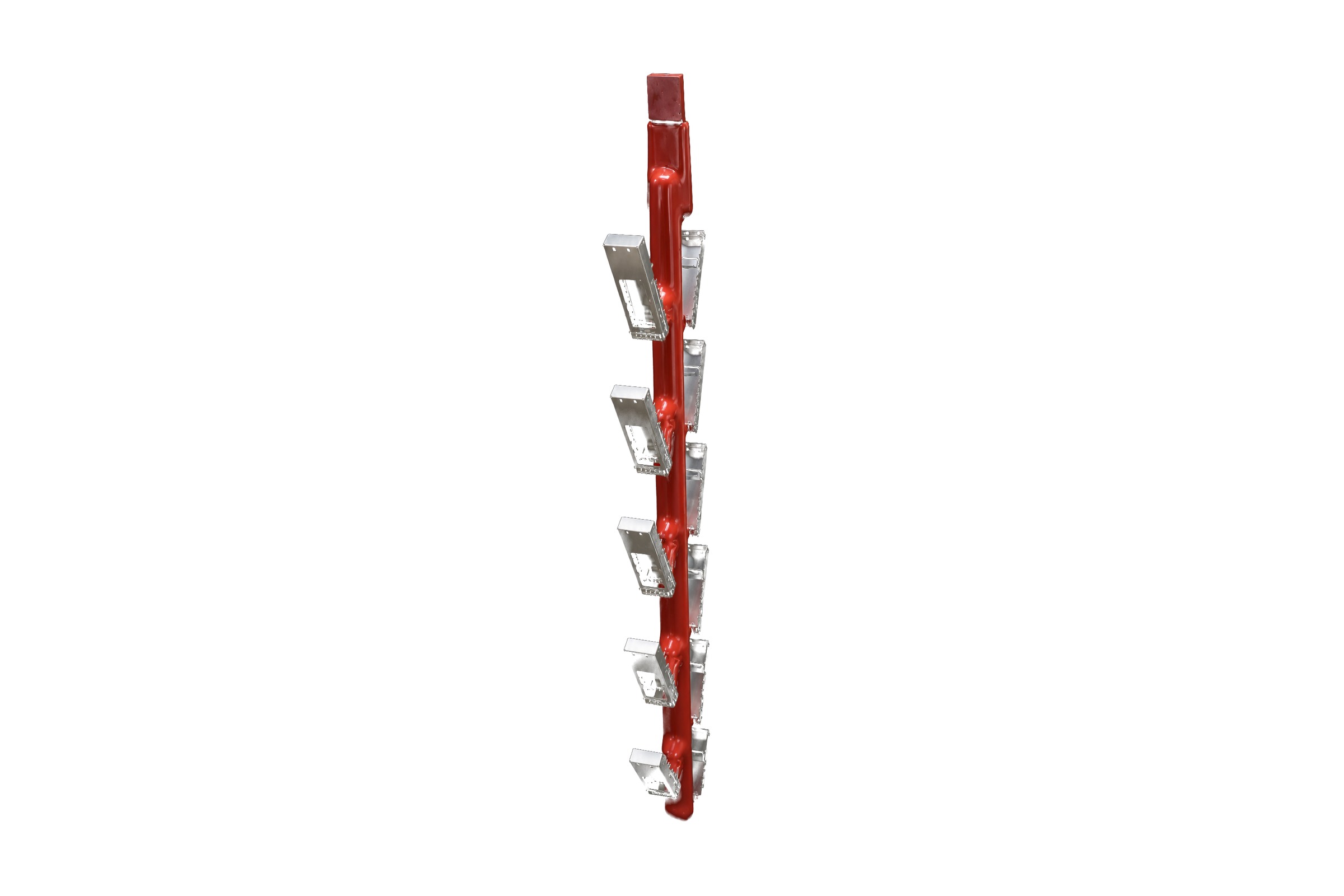
At Technocrats India, electroless nickel is applied to components for the electrical and electronics industry — connectors, contacts, PCB hardware, and precision stampings — where uniform coverage, reliable corrosion resistance, and consistent surface hardness are critical to performance. The process complements our established tin and zinc plating capabilities, extending our offer across the full electronics supply chain.
Key benefitsUniform thickness
No current density variation — coating builds at the same rate on all surfaces, including recesses, threads, and internal bores.
Corrosion resistance
Nickel-phosphorus alloy coatings provide excellent resistance to a wide range of chemical environments, outperforming electrolytic nickel in many applications.
Surface hardness
As-deposited hardness typically 500–600 HV. Post-plate heat treatment can increase hardness further, improving wear resistance for contact and sliding surfaces.
Electronics compatible
Low contact resistance and excellent solderability make electroless nickel a standard undercoat or topcoat for connectors, PCB hardware, and precision contacts.
Electrolytic nickel requires an external power source; thickness varies with current distribution and is typically uneven on complex parts. Electroless nickel uses a self-sustaining chemical reaction — no current is needed — producing uniform thickness on every surface the solution contacts, regardless of geometry.
Electroless nickel can be applied to steel, stainless steel, copper, brass, and aluminium substrates. Each material requires a specific pre-treatment and activation sequence. Contact us to discuss your substrate and application requirements.
Primary applications are in the electrical and electronics industry — connectors, relay contacts, PCB hardware, and precision stampings. It is also used in automotive electronics, telecommunications hardware, and any application requiring tight dimensional control alongside corrosion and wear protection.